
The practical problem
A gutter issue rarely announces itself as a major repair.
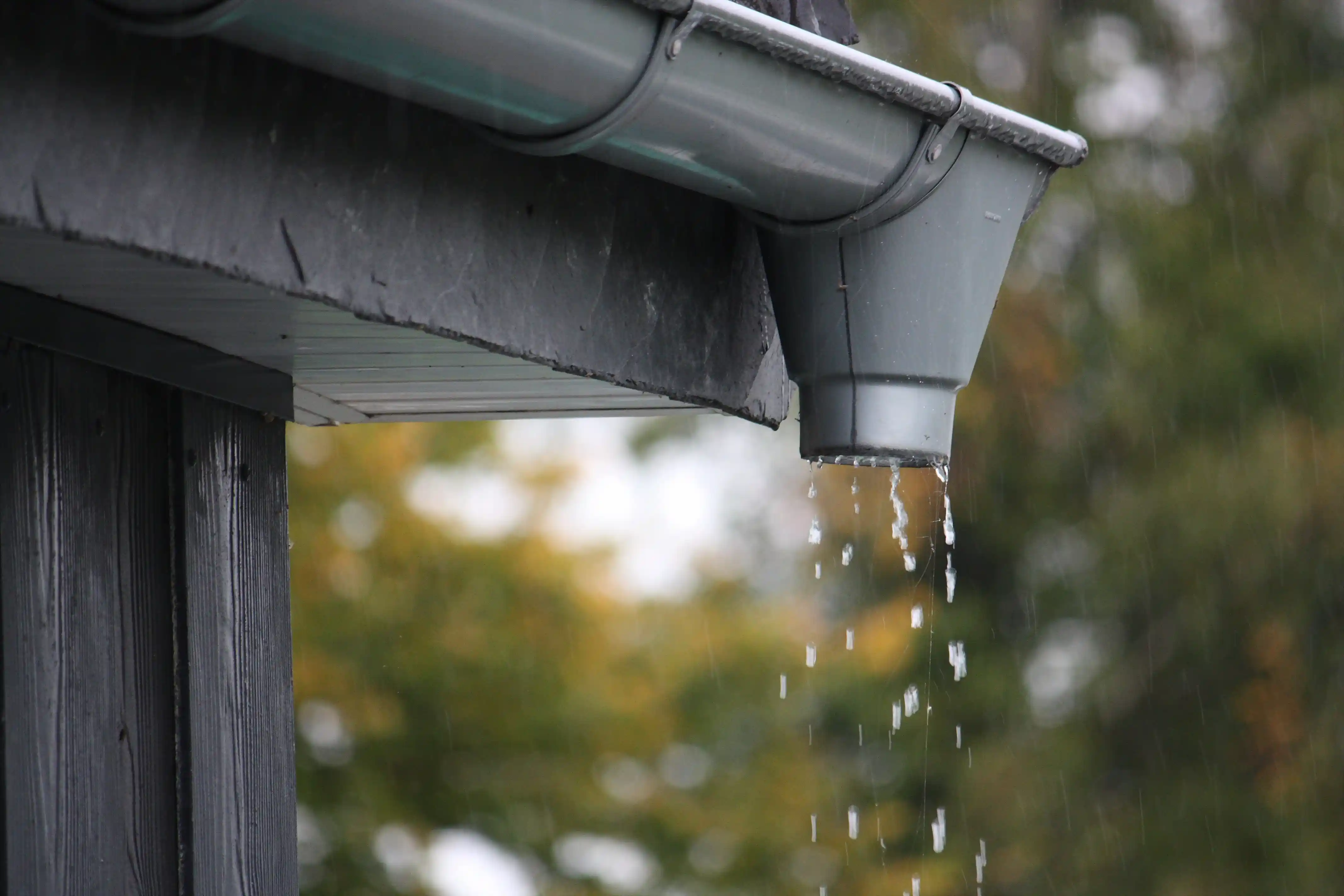
Most homeowners first notice a smaller clue: water spilling beside the steps, a corner that overflows, a muddy channel near the foundation, or a downspout that seems to be doing more work than the rest. Those signs can point to several different needs, from cleaning to repair to replacement.
That is why the first conversation should not be rushed. A good review looks at the roof edge, the gutter run, the debris load, and where the water actually goes once it leaves the downspout.
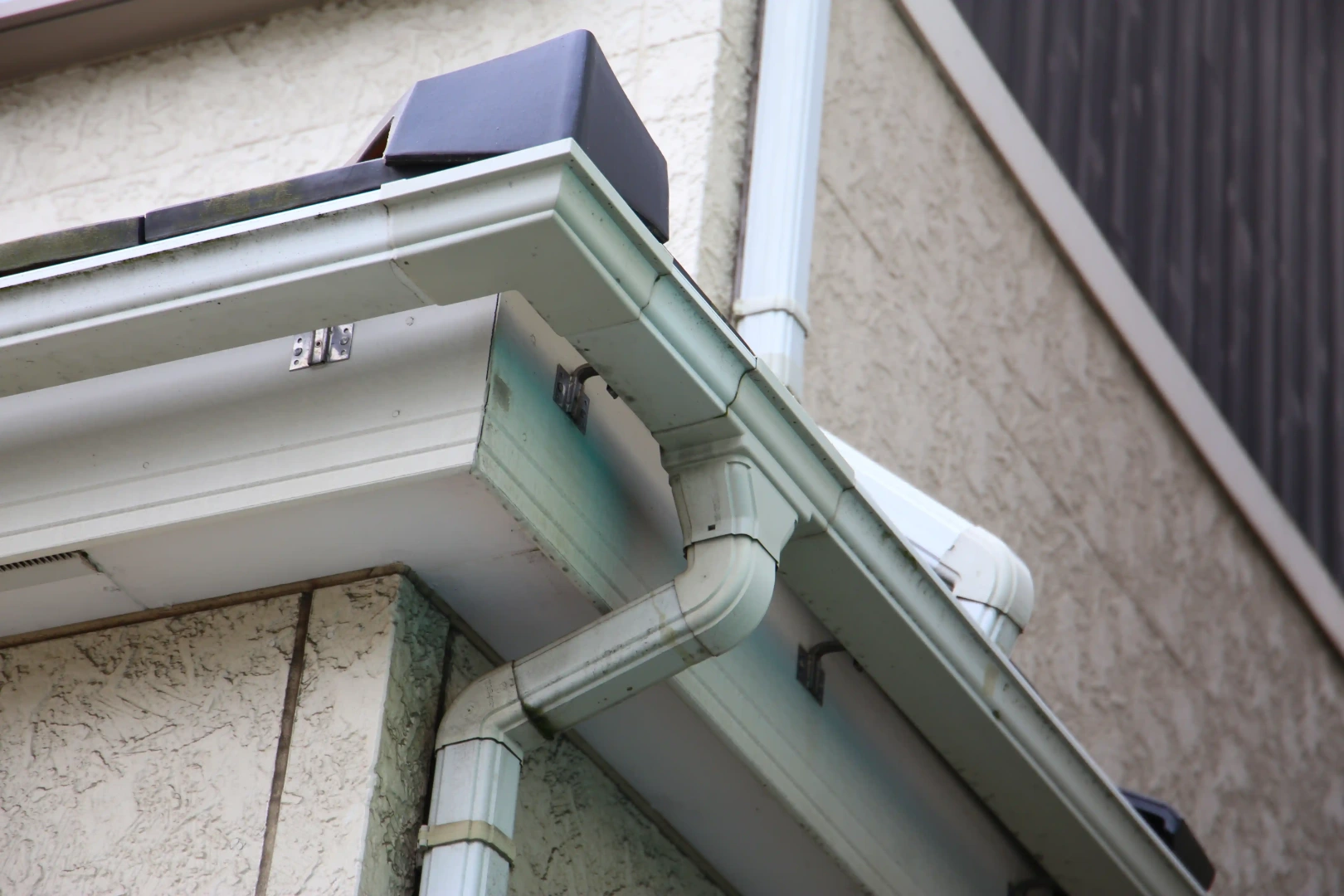
Corners, seams, pitch, and downspout placement can all affect how a gutter system performs.
What clogged gutters can hide
Debris is visible. Water behaviour tells the larger story.
Leaves, roof grit, and needles are easy to spot. The harder question is whether the gutter system is still pitched correctly, securely fastened, and sized for the amount of water the roof sends into it during heavy weather.
In many Canadian climates, the same roof edge can face spring thaw, summer rain bursts, fall debris, and freeze-thaw stress. That range is why homeowners should compare the full scope, not just the headline product.

Before choosing a path
Four questions make the quote easier to compare.
Before agreeing to gutter protection, repair, or replacement, homeowners can use the request process to organize the details that matter most.
-
Is the current gutter still sound?
Loose sections, poor pitch, leaks, or weak fascia can change whether guards make sense.
-
Where does the water go?
Downspout routing and drainage direction can matter as much as the gutter profile itself.
-
What kind of debris shows up?
Broad leaves, fine needles, roof grit, and windblown debris may call for different solutions.
-
What is included in writing?
Ask about cleaning, repairs, haul-away, materials, warranty terms, and maintenance expectations.
The provider conversation
A stronger quote starts with a better roof-edge review.
Good exterior work usually starts with practical questions: How steep is the roof? Where are the downspouts? Is the fascia sound? Are there trees nearby? Is the home better suited to repair, replacement, protection, or a phased approach?
StormFlow is designed to help Canadian homeowners begin that conversation in a more organized way. Submit a short request, then review any provider discussion and written terms carefully before deciding what to do next.

A clear provider conversation should cover scope, materials, access, drainage, and any assumptions used for the quote.
Quick answers
Common questions from homeowners
Can gutter guards stop every cleaning task?
No. Protection may reduce certain debris problems, but most systems still need occasional inspection, especially after heavy weather.
Should old gutters be replaced before adding protection?
Sometimes. If gutters are loose, leaking, undersized, badly pitched, or attached to damaged fascia, repair or replacement may come first.
Is the quote final before anyone reviews the home?
No. Pricing and scope can change based on the property, materials, provider, province, access, and the written terms offered.